- For decades there have been attempts to create computer programs that can learn like people - Artificial Intelligence. For example, how do you teach a child to recognize what a chair is? You show him examples telling him "This is a chair ; That one is not a chair" until the child learns the concept of what a chair is. In this stage, the child can look at the examples we have shown him and answer correctly to the question "Is this object a chair?". Furthermore, if we show to the child new objects, that he didn't see before, we could expect him to recognize correctly whether the new object is a chair or not, providing that we've given him enough positive and negative examples. This is exactly the idea behind the perceptron.
- The perceptron is a program that learn concepts, i.e. it can learn to respond with True (1) or False (0) for inputs we present to it, by repeatedly "studying" examples presented to it. The Perceptron is a single layer neural network whose weights and biases could be trained to produce a correct target vector when presented with the corresponding input vector. The training technique used is called the perceptron learning rule. The perceptron generated great interest due to its ability to generalize from its training vectors and work with randomly distributed connections. Perceptrons are especially suited for simple problems in pattern classification.
Our perceptron network consists of a single neuron connected to two inputs through a set of 2 weights, with an additional bias input.
The perceptron calculates its output using the following equation:
P * W + b > 0where P is the input vector presented to the network, W is the vector of weights and b is the bias.
- The perceptron is trained to respond to each input vector with a corresponding target output of either 0 or 1. The learning rule has been proven to converge on a solution in finite time if a solution exists. The learning rule can be summarized in the following two equations:
For all i:

                W(i) = W(i) + [ T - A ] * P(i)

                b    = b + [ T - A ]
where W is the vector of weights, P is the input vector presented to the network, T is the correct result that the neuron should have shown, A is the actual output of the neuron, and b is the bias.
- Vectors from a training set are presented to the network one after another. If the network's output is correct, no change is made. Otherwise, the weights and biases are updated using the perceptron learning rule. An entire pass through all of the input training vectors is called an epoch. When such an entire pass of the training set has occured without error, training is complete. At this time any input training vector may be presented to the network and it will respond with the correct output vector. If a vector P not in the training set is presented to the network, the network will tend to exhibit generalization by responding with an output similar to target vectors for input vectors close to the previously unseen input vector P.
- Perceptron networks have several limitations. First, the output values of a perceptron can take on only one of two values (True or False). Second, perceptrons can only classify linearly separable sets of vectors. If a straight line or plane can be drawn to seperate the input vectors into their correct categories, the input vectors are linearly separable and the perceptron will find the solution. If the vectors are not linearly separable learning will never reach a point where all vectors are classified properly. The most famous example of the perceptron's inability to solve problems with linearly nonseparable vectors is the boolean exclusive-or problem.
- We implemented a single neuron perceptron with 2 inputs. The input for the neuron can be taken from a graphic user interface, by clicking on points in a board. A click with the left mouse button generates a '+' sign on the board, marking that it's a point where the perceptron should respond with 'True'. A click with the right mouse button generates a '-' sign on the board, marking that it's a point where the perceptron should respond with 'False'. When enough points have been entered, the user can click on 'Start', which will introduce these points as inputs to the perceptron, have it learn these input vectors and show a line which corresponds to the linear division of the plane into regions of opposite neuron response. Here's an example of a screen shot:
نمایش پستها با برچسب SCIENCE. نمایش همه پستها
نمایش پستها با برچسب SCIENCE. نمایش همه پستها
The Perceptron

نسل جدید ذرات
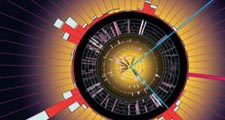
دو تیمی که در آزمایشگاه بین المللی شتاب دهنده ذرات Tevatron واقع در باتیویا کارمی کردند٬ نشانه هایی از نسل جدید ذرات بنیادی پیدا کرده اند که می تواند به سه نسل قبلی که تاکنون می شناختیم اضافه شود. اما این ذرات جدید چه چیز خاصی میتوانند داشته باشند؟
اگر این ذرات واقعا وجود دارند باید درباره معمای چندین ساله ای که چگونه جهان در نخستین لحظات خود بعد از انفجار بزرگ از خودویرانگری اجتناب کرد توضیحی داشته باشند. در ابتدا گزارشی از آنچه تاکنون میدانیم به این شرح داریم. هر یک از سه نسل معلوم ماده دربرگیرنده دو نوع ذره بنیادی به نامهای کوارک و لپتون است. لپتونهای نسل اول شامل الکترون و نیوترینو (نوترون خودی یا مانوس) هستند.

اولین نسل ماده میتواند هرچیزی را که ما در زندگی روزمره مان با آن مواجه می شویم شرح دهد. به عنوان مثال هسته های اتمی از پروتون و نوترون ساخته شده اند که هر کدام به تنهایی از کوارکهای صعودی و نزولی تشکیل یافته اند.
دومین و سومین نسل معرفی شدند تا دوجین های متنوع ذرات بی دوام درون اتمی را توضیح دهند که در آثار مخرب برخورد ذرات تشخیص داده شده بودند.
هر یک از این دو نسل شامل یک جفت کوارک (که بسیار سنگین تر از نسل اول بوده ) و نیز muon و tau ، گونه های سنگین الکترون می باشند. علاوه بر این هر یک دارای نیوترینوی مربوط به خود هستند.

نسلهای جدید ماده تمایل داشتند تا هر 30 یا 40 سال یکبار ظاهر شوند که آخرین بار این اتفاق در سال 1975 رخ داد یعنی زمانیکهtau کشف شد . Amarjit Soni از لابراتوار ملی Brookhaven در Upton, New York چنین می گوید: پیش از این ما سه نسل دیده ایم و سوال اینجاست که چرا چهار تا ندیده ایم؟
او می گوید: نسل چهارم باید دنباله ساده ای از این روند باشد که تاکنون دیده ایم.
اکنون نشانه های این نسل چهارم در سوابقی از شتاب دهنده Tevatron ظاهر شده است که پروتون ها و آنتی پروتون ها را با هم خرد میکند.
محققان بخش ردیابی CDF در Tevatron در ماه مارس آثار باقیمانده از تصادمات را بخوبی جستجو کردند که در آنجا بین ماه مارس 2002 و 2009 ایجاد شده بود. آنها در جستجوی نشانه هایی از کوارک نسل چهارم بودند که سنگین تر از کوارک های سه نسل دیگر باشد.
 دلیل اینکه چرا این کوارک در آزمایشات پیشین دیده نشده بود چنین شرح داده می شود که هر چقدر ذره سنگین تر و غلیظ تر باشد انرژی بیشتری برای ساخت آن مورد نیاز است و برخوردها در آزمایشات قبلی مستلزم انرژی خیلی کمتری برای تولید چنین موجود بزرگ و عظیمی بود.
 مرکز تحقیقات و کنترل شتاب دهنده
یک کوارک سنگین نسل چهارم هنگامی که تنزل می کند انرژی بسیار زیادی رها می سازد و در بین سایر ذرات muon های بسیار فعالی تولید می کند. سه نسل دیگر ماده هم این فراورده های پوسیده را تولید می کنند و برآوردها اشاره بر این دارند که این سه نسل باید برای دو رویداد تنزل در بالاترین انرژی محاسبه شوند که در آزمایش مورد سنجش قرار گرفته است. اما تیم CDF هشت رویداد را مشاهده کردند یعنی مازادی که اشاره به کوارک نسل چهارم دارد.
نشانه های کوارک جدید در فراورده های پوسیده شتاب دهنده برخورد ذرات Tevatronظاهر شده اند. اما این فزونی بقدری جزئی است که نمی تواند ضربه موفقیت آمیز آماری باشد٬ از اینرو تیم نمیتواند ادعا کند که علائمی از نسل چهارم دیده است. John Conway یکی از بانیان این تحقیق و بررسی از دانشگاه کالیفرنیا در Davis اظهار می کند که ادعاهای خاص و غیر عادی نیاز به مدارک و شواهد غیر عادی نیز دارد.

نمایی از ساختمان درونی شتاب دهنده
با این وجود هیچکس حاضر به منفصل کردن این فزونی نیست.Stephen Martin از دانشگاه Northern Illinois در Dekalb که عضوی از این تحقیق و بررسی نبود چنین می گوید: این بقدری جالب است که ما به چشم داشت و تجزیه و تحلیلات آتی توجه خواهیم کرد چون اگر کوارک [نسل چهارم] براستی وجود داشه باشد همه چیز بسیار مهیج خواهد شد.
اگر چه اهمیت فزونی CDF مورد بحث قرار می گیرد اما DZero٬ گواه تازه ای از دیگر ردیاب اصلی Tevaron٬ اثر و نشانه ممکن متفاوتی از نسل چهارم نشان می دهد که منفصل کردن آن دشوارتر است.
تجزیه و تحلیل جدید برخوردهای پروتون-آنتی پروتون در DZero فراورده های پوسیده ای را بنیان نهاد که بطور غیرمنتظره ای نامتوازن بودند. تا حدودی اکثر muon ها نسبت به antimuon ها نقطه مقابل ضدماده هایشان را ایجاد می کنند.
Soni می گوید: اگر این تائید شود٬تبدیل به اکتشاف بینهایت مهمی می شود و انعکاس بسیار مهمی برای کل فیزیک ذرات خواهد داشت. این نتیجه با مدل استاندارد فیزیک ذرات یعنی بهترین تئوری که ما تاکنون دنیای درون اتمی را با آن شرح داده ایم مغایرت دارد.

این مدل تفاوت بسیار جزئی را بین تعداد ذرات ماده و ضدماده پیش بینی می کندکه در برخوردها حدود 40/1 ام برابر آنچه که DZeroواقعا مشاهده می کند تولید میکند. بنظر می رسد که عامل جدید و نامعلومی در اینجا نقش داشته باشد.
برخی از فیزیکدانان قبلا خاطر نشان کردند که چهارمین نسل ذرات می تواند تعادل ماده- ضدماده را در نوع فرایند مشاهده شده درDZero متوازن کند.
این عمل چگونه اتفاق می افتد؟ قوانین خارق العاده مکانیک کوانتوم به ذرات مجازی اجازه میدهند تا مختصرا به وجود آیند و اگر کوارک های نسل چهارم در DZero از این طریق رخ دهند ٬می توانند با ترتیب طبیعی وقایع مداخله کنند که این ذرات در آزمایش تنزل کرده اند. برای مثال جفت های کوارک که دربرگیرنده پایه های نسل سوم است معمولا با مجمو عه ای از واکنشهایی که moun ها و antimuonها را تولید می کند مورد بحث قرار می گیرد. کوارک نسل چهارم می تواند با این فرایند مداخله کند و تعادل معمول بین تولید ماده و ضدماده را به هم بریزد و نتایج را به نفع ماده تحریف کند.
 اگر بی نظمی در DZero بر اثر ذرات نسل چهارم باشد ٬ استنباط ها عمیق و بنیادی خواهند بود. فیزیکدانان برای چندین دهه در این حقیقت متحیر مانده اند که دنیائی که ما آنرا می شناسیم اصلا وجود ندارد.
بر اساس مدل استاندارد٬ ماده و ضدماده٬ تقریبا باید به میزان مساوی از انرژی فراهم شده در اوایل جهان متراکم می شدند. از آنجاییکه ماده و ضدماده در تماس با هم یکدیگر را خنثی می کنند٬ بسیاری از هر دو نوع ماده سریعاً نابود می شوند و دریای سترونی از تشعشعات باقی می گذارند که تقریباً بطور کامل تهی از ماده ای است که مورد نیاز برای ساخت ستاره ها٬ کهکشان ها و سیارات می باشد. آگر این اتفاق به وضوح نیافتاد ٬ بنابراین باید چیزی میزان تولید برای ماده را بالا برد و مازادی را باقی گذارد تا وضعیت شدید نابودی را سپری کند و باعث بوجود آمدن جهان شود.
چهارمین نسل ذرات می تواند توضیح دهد که چگونه ماده برای بوجود آوردن ستاره ها و کهکشان ها باقی می ماند.
اگر کوارک های چهارمین نسل مسئول برهم زدن این تعادل باشند٬ پس ما بدون آنها نمی توانیم وجود داشته باشیم. George Hou از دانشگاه ملی تایوان در تایپه می گوید: برای من این نشانه ای از تنها انگیزه مهم برای موجودیت [چهارمین نسل] می باشد. وی افزود: ما شاید با یک بسط انحصاری از نسل سوم تا چهارم ٬ عدم تقارن کافی برای توضیح اینکه چگونه ماده در اوایل جهان از نابودی زنده مانده است را داشته باشیم.
اگر چه عدم تقارن Dzero با موجودیت چهارمین نسل تناسب دارد اما آنرا ثابت نمی کند. همچنین امکان تولید عدم تقارن ماده وضدماده در تئوری هایی است که سعی دارند فیزیک ذرات را با مطرح کردن ابعاد زائد پنهان شرح دهند٬ همینطور در فراتقارن یعنی تئوری ای که در هر کدام ذره در هر سه نسل شناخته شده ماده است و آنهایی که حامل نیرو هستند شریک پرزورتری دارند.
ذرات چهارمین نسل نیز می توانند به توضیح مبداء ماده تاریک کمک کنند که بنظر می آید بیشترین حجم جهان را تشکیل می دهد.راه حل برای این اندیشه نیوترینو غلیظ می باشد. مانند نیوترینوها در همه نسلهای دیگر ذرات٬ این یکی با نیروی الکترومغناطیسی فعل و انفعال داخلی ندارد تا آنرا شفاف و آشکار سازد و ازاینرو نامرئی می باشد.
درحالیکه سه نیوترینو شناخته شده دیگر برای محاسبه کسر مفاد ماده تاریک بسیار کم وزن هستند ٬ نیوترینوهای غلیظتر چهارمین نسل باید قادر به انبوه شدن با همدیگر باشند و بذرهای کهکشان ها را تشکیل دهند.

با اینحال این اندیشه همچنان با دشواری هایی روبه رو می بود چراکه اولاً نیوترینوی غلیظ معمولاً در کسر ثانیه ای به ورژنی سبک تراز نسل دیگر تنزل کرده٬ بنابراین هیچیک از نیوترینوهای غلیظ از جهان اولیه نباید باقی می ماندند تا ماده تاریک را تشکیل دهند که ما فکر می کنیم امروزه موجود می باشد. فیزیکدانان باید روشی مطرح می کردند تا توضیح دهند که چگونه یک نیوترینو غلیظ برای بیلیون ها سال پس از انفجار بزرگ پایدار مانده است.
خوشبختانه Large Hadron Collider در CERN قادر به توضیح این چیزها بود. اکنون ذرات بهم خورنده با انرژی ترکیب شده 7 تراالکترون ولت وجود دارد که برخورد های Tev Tevatron2 را از حرکت بازمی دارد.
با قدرت اضافی داده شده برای LHC کشف کوارک چهارمین نسل با حجمی بالغ بر 450 GeV نباید زیاد طول بکشد. مارتین می گوید: آزمایشات LHC قادر به حل قطعی این معما خواهد بود.
quantum theory
- Quantum theory is the theoretical basis of modern physics that explains the nature and behavior of matter and energy on the atomic and subatomic level. In 1900, physicist Max Planck presented his quantum theory to the German Physical Society. Planck had sought to discover the reason that radiation from a glowing body changes in color from red, to orange, and, finally, to blue as its temperature rises. He found that by making the assumption that energy existed in individual units in the same way that matter does, rather than just as a constant electromagnetic wave - as had been formerly assumed - and was therefore quantifiable, he could find the answer to his question. The existence of these units became the first assumption of quantum theory.
Planck wrote a mathematical equation involving a figure to represent these individual units of energy, which he called quanta. The equation explained the phenomenon very well; Planck found that at certain discrete temperature levels (exact multiples of a basic minimum value), energy from a glowing body will occupy different areas of the color spectrum. Planck assumed there was a theory yet to emerge from the discovery of quanta, but, in fact, their very existence implied a completely new and fundamental understanding of the laws of nature. Planck won the Nobel Prize in Physics for his theory in 1918, but developments by various scientists over a thirty-year period all contributed to the modern understanding of quantum theory.
The Development of Quantum Theory
In 1900, Planck made the assumption that energy was made of individual units, or quanta.
In 1905, Albert Einstein theorized that not just the energy, but the radiation itself was quantized in the same manner.
In 1924, Louis de Broglie proposed that there is no fundamental difference in the makeup and behavior of energy and matter; on the atomic and subatomic level either may behave as if made of either particles or waves. This theory became known as the principle of wave-particle duality: elementary particles of both energy and matter behave, depending on the conditions, like either particles or waves.
In 1927, Werner Heisenberg proposed that precise, simultaneous measurement of two complementary values - such as the position and momentum of a subatomic particle - is impossible. Contrary to the principles of classical physics, their simultaneous measurement is inescapably flawed; the more precisely one value is measured, the more flawed will be the measurement of the other value. This theory became known as the uncertainty principle, which prompted Albert Einstein's famous comment, "God does not play dice."
The Copenhagen Interpretation and the Many-Worlds Theory
The two major interpretations of quantum theory's implications for the nature of reality are the Copenhagen interpretation and the many-worlds theory. Niels Bohr proposed the Copenhagen interpretation of quantum theory, which asserts that a particle is whatever it is measured to be (for example, a wave or a particle), but that it cannot be assumed to have specific properties, or even to exist, until it is measured. In short, Bohr was saying that objective reality does not exist. This translates to a principle called superposition that claims that while we do not know what the state of any object is, it is actually in all possible states simultaneously, as long as we don't look to check.
To illustrate this theory, we can use the famous and somewhat cruel analogy of Schrodinger's cat. First, we have a living cat and place it in a thick lead box. At this stage, there is no question that the cat is alive. We then throw in a vial of cyanide and seal the box. We do not know if the cat is alive or if it has broken the cyanide capsule and died. Since we do not know, the cat is both dead and alive, according to quantum law - in a superposition of states. It is only when we break open the box and see what condition the cat is that the superposition is lost, and the cat must be either alive or dead.
The second interpretation of quantum theory is the many-worlds (or multiverse theory. It holds that as soon as a potential exists for any object to be in any state, the universe of that object transmutes into a series of parallel universes equal to the number of possible states in which that the object can exist, with each universe containing a unique single possible state of that object. Furthermore, there is a mechanism for interaction between these universes that somehow permits all states to be accessible in some way and for all possible states to be affected in some manner. Stephen Hawking and the late Richard Feynman are among the scientists who have expressed a preference for the many-worlds theory.
Quantum Theory's Influence
Although scientists throughout the past century have balked at the implications of quantum theory - Planck and Einstein among them - the theory's principles have repeatedly been supported by experimentation, even when the scientists were trying to disprove them. Quantum theory and Einstein's theory of relativity form the basis for modern physics. The principles of quantum physics are being applied in an increasing number of areas, including quantum optics, quantum chemistry, quantum computing, and quantum cryptography.
Do you have something to add to this definition? Let us know.


